Address
7 Hogue St, Maryville, Newcastle NSW 2293, Australia
Work Hours
Monday to Friday: 7AM - 7PM
Weekend: 10AM - 5PM
Address
7 Hogue St, Maryville, Newcastle NSW 2293, Australia
Work Hours
Monday to Friday: 7AM - 7PM
Weekend: 10AM - 5PM
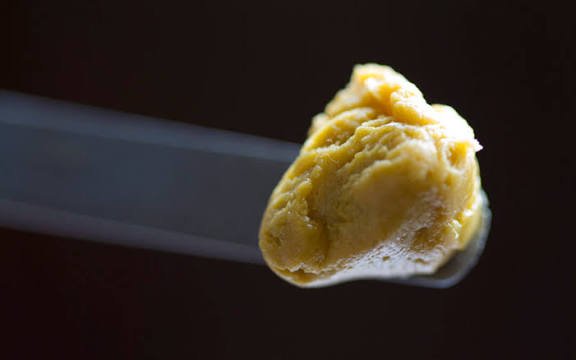
Where can I Order Weed Wax Online Europe? The cannabis concentrates industry is undergoing significant technological and commercial changes as manufacturers, researchers, regulators, and consumers seek products with greater consistency, improved purity, distinctive terpene profiles, and more transparent quality standards. Cannabis concentrates are products made by separating desirable compounds from cannabis plant material, including cannabinoids such as tetrahydrocannabinol (THC) and cannabidiol (CBD), along with aromatic compounds known as terpenes.
Common concentrate products include shatter, wax, budder, live resin, live rosin, distillate, and high-terpene extracts. Although these products differ in texture, composition, and production methods, they share a central objective: concentrating selected cannabis compounds into a more refined product.
Historically, concentrate production relied on relatively established approaches, including solvent extraction, mechanical separation, and traditional purification techniques. Today, the industry is increasingly exploring automation, improved analytical testing, alternative processing technologies, energy efficiency, and advanced manufacturing controls.
At the same time, cannabis businesses face significant challenges. Regulatory requirements differ across jurisdictions, extraction equipment can be expensive, and manufacturers must manage residual solvents, microbial contamination, pesticides, heavy metals, and other potential quality concerns. Where can I Order Weed Wax Online Europe?
The future of cannabis concentrates will therefore depend on more than producing higher-potency extracts. It will also involve developing safer manufacturing environments, improving product reproducibility, reducing waste, and creating products that meet clearly defined quality standards.
This article explores the emerging extraction technologies, industry trends, sustainability initiatives, regulatory developments, and commercial opportunities likely to shape the future of cannabis concentrates.
Cannabis concentrates are produced by separating cannabinoids, terpenes, and other desired plant constituents from the original plant material. The composition of the finished product depends on the starting material, extraction method, processing conditions, and any subsequent refinement.
The main categories include:
Solvent-based concentrates: Products manufactured using solvents such as ethanol, hydrocarbons, or carbon dioxide under controlled industrial conditions.
Solventless concentrates: Products made through physical separation methods, such as ice-water separation, filtration, and heat-and-pressure processing.
Distillates: Highly refined cannabinoid-rich oils produced through separation and purification processes.
Terpene-rich extracts: Products designed to retain or emphasize aromatic compounds that contribute to cannabis varieties’ characteristic aromas and flavors.
Full-spectrum extracts: Preparations intended to retain a broader selection of naturally occurring cannabis compounds, depending on the process and product specification.
These categories are not interchangeable. A highly refined distillate, for example, may have a different cannabinoid and terpene profile from a less-refined extract.
Industry growth is encouraging manufacturers to investigate technologies that improve batch consistency, make quality testing more reliable, and reduce production costs without compromising safety. Where can I Order Weed Wax Online Europe?
Extraction technology is one of the most important areas of innovation in the concentrates sector. Manufacturers are looking for greater selectivity, better control over product composition, improved recovery of valuable compounds, and more predictable production outcomes.
Hydrocarbon extraction uses solvents such as butane or propane to separate desirable cannabis compounds from plant material. It is associated with products including live resin, shatter, wax, and budder.
Modern commercial systems increasingly emphasize enclosed equipment, automated controls, solvent recovery, environmental monitoring, and safety interlocks.
These developments are important because hydrocarbon solvents are highly flammable. Poorly designed or improperly operated systems can create serious fire and explosion hazards.
Future advances are likely to focus on:
Automated monitoring of critical operating parameters.
Improved detection of leaks and abnormal equipment conditions.
Better solvent recovery and reuse.
More consistent processing across production batches.
Integration with facility safety and quality-management systems.
The objective is not simply to extract more material. It is to establish controlled manufacturing processes that deliver consistent products while minimizing occupational and environmental risks.
Commercial operations require suitable engineering, trained personnel, approved equipment, and compliance with applicable fire, building, environmental, and cannabis regulations. Where can I Order Weed Wax Online Europe?
Carbon dioxide (CO₂) extraction is another important technology. Under specific temperature and pressure conditions, CO₂ can enter a supercritical state, allowing it to exhibit properties useful for separating compounds from plant material.
Supercritical CO₂ extraction is used in several botanical-processing industries, including food ingredients, fragrances, and natural-product manufacturing.
Its potential advantages include the ability to adjust extraction selectivity through controlled operating conditions and the possibility of reducing dependence on certain organic solvents. CO₂ also does not leave the same type of organic-solvent residue associated with solvents such as ethanol or hydrocarbons, although finished products still require appropriate testing.
However, the technology is not automatically superior in every application. Equipment can require substantial capital investment, high-pressure systems need specialist engineering, and the resulting extract may need additional refinement.
Future development is likely to emphasize improved energy efficiency, more precise process control, better integration with downstream purification, and greater reproducibility between batches.
Ethanol extraction remains an important option for manufacturers producing cannabis oils and other cannabinoid-rich ingredients at commercial scale.
Ethanol can extract a broad range of plant compounds, making it useful for large-volume processing. However, the crude extract may contain chlorophyll, waxes, lipids, and other compounds that require additional processing, depending on the desired product.
Emerging developments include more efficient solvent-recovery equipment, automated process monitoring, heat integration, and improved purification systems.
The commercial value of these improvements is substantial. Recovering and reusing solvent can reduce recurring material expenses, while improved process control can help manufacturers achieve consistent specifications.
Ethanol is flammable, so storage, ventilation, equipment selection, and facility design remain critical safety considerations. Where can I Order Weed Wax Online Europe?
Solventless extraction is gaining attention among consumers interested in products manufactured without added extraction solvents.
Common approaches include ice-water separation, filtration, and mechanical extraction using heat and pressure. Live rosin and certain hash products are associated with these methods.
The term solventless does not mean that a product is automatically free of contaminants. Plant-derived contaminants, microorganisms, pesticides, and heavy metals can still be relevant, depending on the raw material and manufacturing environment.
Innovation in this area includes more consistent mechanical equipment, improved filtration materials, automated quality monitoring, and better handling of temperature-sensitive materials.
A major commercial challenge is balancing premium product quality with production costs. Solventless processing can be labor-intensive and may produce different yields depending on the starting material and desired quality specifications.
As equipment and process controls improve, some manufacturers may be able to increase consistency and reduce waste while preserving the characteristics valued by consumers.
Researchers are also investigating technologies that use ultrasound, microwave energy, and other physical approaches to improve the processing of botanical materials.
Ultrasound-assisted extraction uses sound waves to produce effects in a liquid that can help release compounds from plant structures. Microwave-assisted extraction uses electromagnetic energy to heat suitable materials or solvents.
In principle, these technologies may improve processing speed, reduce certain resource requirements, or support more selective extraction. However, their suitability depends on the compound being targeted, the material being processed, equipment design, and the need to protect temperature-sensitive constituents.
For cannabis concentrates, further research is needed to establish which applications offer meaningful advantages over established industrial methods. Results from laboratory experiments do not necessarily translate directly into commercial-scale performance. Where can I Order Weed Wax Online Europe?
The most promising future applications may involve integrating alternative extraction technologies with established separation and purification systems rather than replacing conventional methods entirely.
Automation is becoming an important consideration for manufacturers seeking to improve product consistency and reduce avoidable production errors.
Traditional manufacturing may rely heavily on operator experience, manual documentation, and periodic testing. Automated systems can collect operating data continuously, identify deviations, and support more consistent execution of approved procedures.
Artificial intelligence (AI) and machine-learning systems can potentially analyze production data to identify patterns that operators might otherwise overlook.
Examples of possible applications include:
Detecting unusual equipment behavior before a breakdown occurs.
Identifying recurring differences between production batches.
Monitoring energy use and solvent recovery performance.
Supporting maintenance scheduling.
Identifying relationships between raw-material characteristics and finished-product quality.
For instance, a manufacturer could use historical data to investigate whether differences in incoming plant material correlate with changes in the final extract’s cannabinoid or terpene profile.
AI does not independently guarantee quality or safety. Its predictions depend on the accuracy, representativeness, and completeness of the data used to develop and evaluate the system. Human oversight and validated procedures remain essential.
Robotics may help manufacturers standardize repetitive activities, move materials through controlled environments, and reduce unnecessary employee exposure to hazardous substances.
Automated weighing, filling, packaging, and labeling systems can also improve traceability and production efficiency.
The main barriers include equipment costs, integration with existing facilities, maintenance requirements, and the need to validate automated processes. Smaller manufacturers may adopt automation gradually, beginning with quality documentation or packaging rather than replacing entire production lines.
Over time, automation is likely to become increasingly valuable to businesses that need to scale operations without sacrificing consistency. Where can I Order Weed Wax Online Europe?
Terpenes are naturally occurring compounds responsible for many of cannabis’s characteristic aromas. They are also found in fruits, herbs, spices, and numerous other plants.
In cannabis concentrates, terpene composition can influence aroma, flavor, and the sensory experience of a product.
Different extraction and refinement methods may retain, remove, or alter volatile compounds to different degrees. Temperature, pressure, storage conditions, oxygen exposure, and processing time can all influence the final profile.
Consumers do not necessarily judge a concentrate solely by its THC percentage. Some prefer products with distinctive aromatic characteristics, while others prioritize consistency, texture, or a particular cannabinoid composition.
This creates opportunities for manufacturers to differentiate products based on measurable chemical profiles rather than broad marketing descriptions.
Emerging priorities include:
Better analytical measurement of individual terpenes.
Improved control of storage and packaging conditions.
More consistent characterization of aromatic profiles.
Reduced variation between production batches.
Clearer disclosure of whether terpenes are cannabis-derived or added from another source.
Aroma alone is not proof of purity, potency, or safety. Reliable product information should be supported by appropriate testing.
Live resin and live rosin are often associated with preserving characteristics of fresh cannabis material, but they are not manufactured in the same way.
Live resin generally refers to a concentrate produced through solvent-based extraction of suitably preserved fresh cannabis material. Live rosin is generally made through solventless processing of fresh-frozen-derived hash or other suitable starting material.
Their sensory profiles and chemical composition can differ significantly according to the cultivar, starting material, processing method, and storage conditions.
As analytical techniques improve, producers may increasingly market these products using detailed terpene profiles and batch-specific laboratory results. Where can I Order Weed Wax Online Europe?
For years, much of the concentrate market has emphasized THC potency. The future may involve greater interest in a wider range of cannabinoids, including cannabigerol (CBG), cannabinol (CBN), and other minor cannabinoids.
These compounds occur in cannabis in varying quantities, and their concentrations depend on genetics, plant maturity, storage, and processing.
Several factors may contribute to growing interest in minor cannabinoids:
Product differentiation: Manufacturers can develop formulations with distinct cannabinoid ratios.
Research opportunities: Scientists continue to investigate cannabinoid chemistry, pharmacology, and potential therapeutic applications.
Ingredient development: Cannabinoid-rich extracts may serve as ingredients in regulated formulations and consumer products.
Demand for transparency: Detailed composition data can help distinguish products with similar headline potency claims.
However, scientific uncertainty must be acknowledged. Evidence supporting the effects of one cannabinoid cannot automatically be applied to another, and many claims about minor cannabinoids remain insufficiently established in humans.
Greater product diversity will increase the importance of accurate labeling, reliable analytical testing, and responsible marketing.
The future of cannabis concentrates depends heavily on analytical chemistry. Manufacturers need dependable ways to measure potency, characterize product composition, and identify unwanted substances.
Testing may include cannabinoid analysis, terpene profiling, residual-solvent screening, pesticide testing, and assessments for heavy metals or microbial contamination, as required by the applicable jurisdiction and product type.
High-performance liquid chromatography (HPLC) and gas chromatography (GC) are important tools for analyzing cannabis compounds. Different instruments and analytical methods are appropriate for different substances and testing objectives.
Advances in instrumentation, sample preparation, automation, and data analysis may improve sensitivity, reproducibility, and the speed of laboratory workflows.
A significant priority is method validation. A test result is useful only when the method is suitable for the intended purpose and produces sufficiently reliable measurements.
Health Canada’s guidance on cannabis analytical methods explains why laboratories need validated procedures and ongoing quality controls. Read Health Canada’s analytical-method validation guidance .
A certificate of analysis (COA) documents laboratory findings for a specific sample or batch. In the future, manufacturers may increasingly connect these records to digital product identifiers, allowing authorized users to retrieve relevant test results.
Useful information can include:
Cannabinoid concentrations.
Terpene measurements, where tested.
Relevant contaminant results.
Laboratory identity and testing date.
Sample or batch identification.
Applicable analytical methods and reporting limits.
Digital traceability is valuable only when the underlying results are authentic, the sample is representative, and the laboratory’s methods are reliable.
Manufacturers should not use laboratory reports to imply that a product is risk-free. Testing reduces uncertainty but cannot eliminate every possible hazard.
Sustainability is becoming a strategic consideration for cannabis processors. Extraction facilities may consume substantial amounts of electricity, heating or cooling resources, water, packaging materials, and processing solvents.
The industry’s environmental footprint depends on the extraction method, facility design, energy sources, production scale, waste-management practices, and the efficiency of the equipment used.
Solvent recovery systems allow suitable solvents to be collected and reused rather than discarded after a single production cycle.
Improving recovery efficiency may reduce material costs and waste, although energy consumption and the quality of the recovered solvent must also be considered.
Other potential improvements include heat recovery, efficient refrigeration, better insulation, optimized equipment scheduling, and energy monitoring.
For facilities using CO₂ extraction, energy requirements for compression, cooling, and pressure management need to be included when evaluating overall environmental performance.
Cannabis processing can generate plant residues and other by-products. Some may have potential applications in authorized industrial, agricultural, or research settings, depending on their composition and local regulations.
Researchers are investigating the broader valorization of cannabis biomass, including approaches that recover useful plant constituents and explore additional uses for suitable residual material.
A 2023 review examines the potential of supercritical CO₂ technology and the use of cannabis biomass in broader processing applications. Read the review on supercritical CO₂ and cannabis biomass .
Nevertheless, not all extraction residues are suitable for reuse. Material containing contaminants or regulated cannabis constituents must be handled according to applicable requirements.
Terms such as green extraction and eco-friendly processing should be supported by evidence.
A meaningful assessment should consider the entire process, including raw-material production, electricity consumption, solvent sourcing and recovery, equipment manufacturing, waste disposal, and packaging.
In the coming years, manufacturers that measure their resource use and document improvements may be better positioned to demonstrate environmental responsibility to regulators, customers, and business partners.
The concentrates market is becoming more diverse. Consumers may choose products based on potency, flavor, consistency, convenience, brand reputation, or manufacturing methods.
Some buyers are interested in premium solventless products, while others prefer standardized distillates or formulated products with consistent cannabinoid concentrations.
Premium products may command higher prices when they offer demonstrable differences in quality, carefully controlled production, distinctive sensory characteristics, or trusted testing.
However, higher prices do not automatically indicate better quality. Product evaluation should consider verified composition, manufacturing standards, transparent labeling, and compliance with local regulations.
Manufacturers serving regulated medical or research markets may prioritize consistency over novelty.
Standardized extracts can be important when a product’s intended use requires reproducible cannabinoid concentrations and dependable specifications.
The industry may therefore develop along two complementary paths: premium products emphasizing distinctive characteristics and standardized ingredients emphasizing reproducibility.
Concentrates can also serve as ingredients in products such as vaporizer formulations and certain regulated oral preparations. Each format presents distinct formulation, stability, labeling, and safety requirements.
Innovations in formulation must account for how ingredients behave in the final product. A concentrate suitable for one application is not automatically suitable for another.
In particular, inhalable products require careful assessment of ingredients, contaminants, and heating-related risks. Products intended for ingestion may require different testing and manufacturing controls.
The long-term opportunity lies in matching a product’s composition and manufacturing quality to its intended legal use, rather than pursuing novelty for its own sake. Where can I Order Weed Wax Online Europe?
Cannabis regulations strongly influence the adoption of extraction technology. Legal requirements differ between countries and, in some jurisdictions, between states or provinces.
Rules may address licensing, facility design, worker protection, product testing, labeling, packaging, transport, and the permitted sale of particular concentrate types.
Extraction does not guarantee the removal of all unwanted substances. Some contaminants can carry through into the finished product, while others may be introduced during processing, storage, or packaging.
A responsible quality-management program should address raw-material qualification, sanitation, equipment maintenance, process documentation, representative sampling, laboratory testing, and investigation of out-of-specification results.
Health Canada’s good production practices guidance provides a useful example of how regulated cannabis production addresses testing, contamination controls, documentation, and quality oversight. Review the Good Production Practices guide .
Pesticide residues are an important consideration because unwanted substances in starting materials may affect downstream products.
In Canada, specific pesticide-testing requirements apply to regulated cannabis license holders, with reporting and record-keeping obligations described in the official guidance. Read Canada’s cannabis pesticide-testing requirements .
Manufacturers should determine which requirements apply to their activities and products instead of assuming that regulations in another market are equivalent.
A concentrate that is legally manufactured in one jurisdiction may not be legally sold, transported, or imported into another.
Businesses considering international expansion need to examine local licensing, product classification, import and export restrictions, and applicable testing standards.
Regulatory compliance is not simply an administrative expense. It influences equipment selection, production workflows, labeling, market access, and long-term business planning.
The future of cannabis concentrates will be influenced by the interaction between technology, competition, consumer confidence, and regulation.
Although forecasts vary by geography and methodology, several developments offer plausible opportunities for manufacturers and supporting businesses.
Potency will remain relevant, but it is unlikely to be the only meaningful measure of product differentiation.
Buyers may increasingly pay attention to cannabinoid composition, terpene profiles, verified testing, consistency, and transparent manufacturing practices.
Not every cannabis business can justify owning a complete extraction and analytical-testing facility.
Where legally permitted, contract manufacturing and independent laboratory services can allow businesses to access specialist capabilities without building every part of the operation themselves.
These arrangements require clear quality agreements, appropriate licensing, defined responsibilities, and reliable documentation.
Established producers may seek to improve profitability through better equipment utilization, reduced downtime, solvent recovery, improved yields, and fewer rejected batches.
New businesses, meanwhile, may differentiate themselves through specialized products or technologies that address specific quality and manufacturing challenges.
Market conditions will vary, and investment decisions should account for licensing costs, taxes, competition, available capital, and regulatory uncertainty.
Despite the opportunities, several challenges could limit the pace of technological development.
Advanced extraction systems, analytical instruments, environmental controls, and specialized facilities can require substantial investment. Smaller operators may struggle to compete with well-capitalized manufacturers, particularly in markets with strict licensing requirements.
Not every new extraction technique produces better results. Some technologies may work well at laboratory scale but prove expensive or difficult to scale commercially.
Manufacturers must distinguish demonstrated improvements from theoretical advantages and marketing claims.
Modern extraction facilities require expertise in chemistry, engineering, laboratory analysis, industrial safety, and quality management.
Training and retention will remain important as facilities adopt more sophisticated equipment and digital monitoring systems.
Changes in cannabis laws, taxation, consumer demand, and wholesale pricing can affect investment decisions. Businesses may hesitate to purchase expensive equipment when the long-term regulatory environment is unclear.
Successful manufacturers will need flexible operations, careful financial planning, and a commitment to compliance.
Over the coming years, the industry is likely to combine established extraction methods with improved automation, analytical science, and resource management.
Several developments deserve particular attention:
Smarter manufacturing: More facilities may use digital monitoring and predictive maintenance to improve production consistency.
Improved analytical testing: Better laboratory workflows may support more dependable cannabinoid measurements and contaminant screening.
More selective processing: Research may help manufacturers better control the composition of botanical extracts.
Greater product transparency: Digital batch records and accessible laboratory reports may make it easier to verify product information.
Resource-efficient operations: Better solvent recovery, energy management, and waste reduction may improve both environmental performance and production economics.
More specialized products: Concentrates may increasingly be differentiated by their cannabinoid profiles, terpene characteristics, intended applications, and manufacturing standards.
These developments are not guaranteed to occur at the same pace in every market. Equipment costs, regulatory restrictions, scientific evidence, and consumer preferences will influence adoption.
One important distinction will remain: technological sophistication is not the same as product safety. A product’s quality still depends on appropriate raw materials, controlled manufacturing, validated testing, and compliance with relevant standards. Where can I Order Weed Wax Online Europe?
The future is likely to involve improved extraction equipment, greater automation, better laboratory testing, more consistent products, and increased attention to sustainability and transparency.
No single technology is guaranteed to dominate. Hydrocarbon, ethanol, CO₂, and solventless approaches each have different advantages, costs, and limitations. Their suitability depends on the product and manufacturing requirements.
Not necessarily. Solventless products may appeal to consumers who value their manufacturing approach, while solvent-based techniques can offer advantages in throughput, scalability, or specific product applications. Both categories can coexist.
AI may help analyze production data, identify equipment problems, monitor quality trends, and improve resource efficiency. Its usefulness depends on reliable data, appropriate validation, and human oversight.
Terpenes contribute to a concentrate’s characteristic aroma and flavor. Their preservation can help manufacturers create more distinctive products, although terpene content alone does not establish safety or overall quality.
Improved equipment, quality controls, and laboratory testing may reduce certain manufacturing risks. However, concentrates can still present health risks, including exposure to high THC levels, and quality varies between products. Stronger technology does not eliminate every risk.
Sustainability initiatives include solvent recovery, energy-efficient equipment, waste reduction, and responsible biomass management. Their actual benefits depend on measurable performance across the production process.
Testing helps determine cannabinoid concentrations and identify specified contaminants. Reliable results support product consistency, regulatory compliance, and informed decision-making.
The future of cannabis concentrates will be shaped by the combination of extraction science, automation, analytical testing, sustainability, consumer expectations, and regulatory oversight.
Traditional methods such as hydrocarbon, ethanol, and CO₂ extraction will continue to serve different manufacturing needs, while solventless technologies and emerging processing methods may create additional opportunities for specialized products.
At the same time, better testing, digital traceability, and process controls will be essential for establishing consistent quality and maintaining consumer confidence. Where can I Order Weed Wax Online Europe?